The right metric is not the speed contracted from the operator. It is the experience in the room furthest from the rack, at 10 pm, with half the guests streaming television over the internet.
The useful question is not whether the signal reaches room 214, but how many devices will be connected on that floor at night. A 60-room hotel easily reaches 200 simultaneous devices. Designing for coverage alone produces an attractive heat map and dissatisfied guests; designing for density calls for more access points and solves the problem for good.
Access point in the room or in the corridor
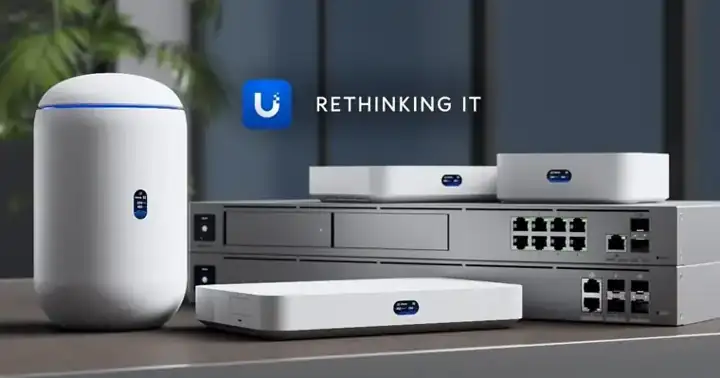
The construction decides, not the budget: concrete, metal doors and bathrooms between the corridor and the bed. We measure before cabling, because changing your mind once the walls are closed is a whole new job. Access points are PoE-powered and centrally managed, as in any well-designed business wireless network.
Each area with its own challenge
- Event rooms Two hundred people connected at once is a matter of density, not range.
- Terraces and outdoor areas These require dedicated outdoor equipment.
- Suite floors Roaming keeps the guest's call going between the room and the lift.
The right Wi-Fi generation (6, 6E or 7) comes from that calculation, not from the manufacturer's catalogue.
Guests isolated from everything and from each other
Dozens of uncontrolled devices come in every day. The guest network is isolated from the PMS, POS, cameras and staff, and each guest is isolated from the others. We configure the access portal, per-session limits and monitoring that detects a floor without coverage before the complaint reaches reception.
Guests rarely complain about the Wi-Fi at the front desk: they write about it when they get home.